

Discover the Real Costa Rica
Discover the best destinations, local secrets, travel tips, and unforgettable private experiences across Costa Rica.
A Parent’s Guide to Age, Safety and Family Ziplining in Costa Rica
QUICK ANSWER
Young children can zipline in Costa Rica when they meet the operator’s current age, height, weight, and harness requirements. The best choice is a family-friendly course with properly fitted equipment, trained guides, tandem options when permitted, and enough flexibility to let the child set the pace.
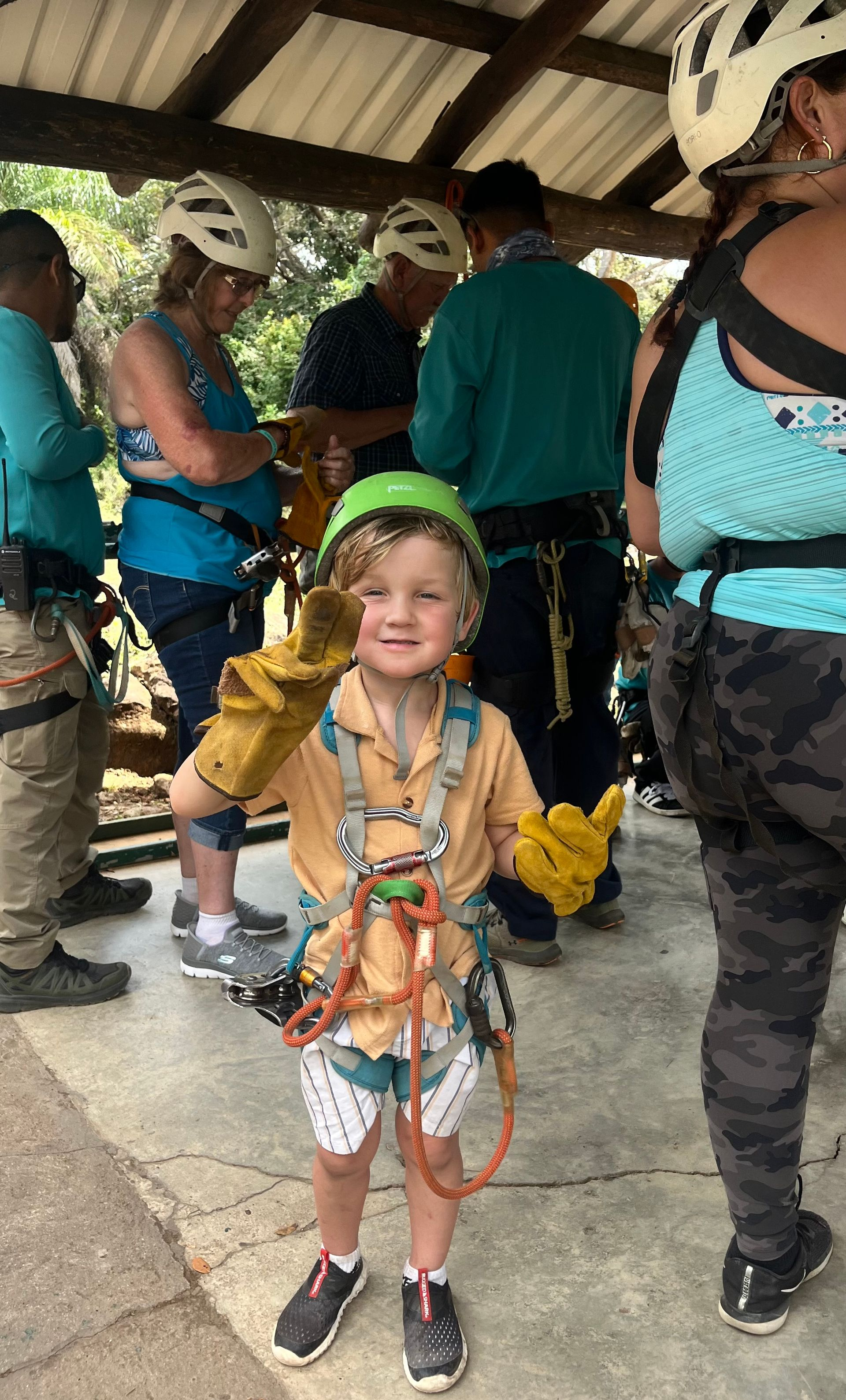
Your child spots a zipline stretching above the rainforest and immediately asks, “Can I do that?” It is one of those Costa Rica family-travel moments that can become a favorite memory—provided the experience is chosen for your child, not just for the adults in the group. A Costa Rica zipline for young children can be a wonderful adventure, but age alone does not determine whether it is the right fit.
The best family zipline day feels exciting without becoming overwhelming. It includes patient guides, properly fitted safety equipment, a course with clear rules for children, and enough flexibility to slow down when little legs or big feelings need a break. For families staying in Guanacaste, planning those details before the day of the tour makes all the difference.
What Makes a Costa Rica Zipline for Young Children a Good Fit?
Every zipline operator sets its own minimum age, height, and weight requirements. Some courses welcome children as young as four or five, while others are better suited to children around six, seven, or older. A child’s confidence, ability to follow directions, and comfort with heights matter just as much as the number on their birthday cake.
For younger children, the ideal course usually has shorter lines, easy-to-reach platforms, and guides who are comfortable working at a child’s pace. Many family-friendly operations use tandem riding, where a child travels securely with an experienced guide. This can be a smart option for a child who is within the operator’s requirements but is too small or nervous to ride independently.
A good provider will never rush this decision. Before the first platform, guides should check that the harness fits correctly, explain the process in simple language, and give your child time to ask questions. If a child decides they do not want to continue, that decision should be respected. The goal is a happy rainforest story, not a test of bravery.
Age, Size, and Confidence: The Three Things to Check
Parents often ask for a single minimum age, but there is no universal answer. Requirements depend on the course design, harness system, length of the lines, and safety policies of the operator. Confirm the current rules directly when arranging your tour, especially if your child is petite for their age.
Weight and harness fit are particularly important. A harness that is too loose cannot be safely adjusted simply because a child is eager to participate. Some courses also have upper or lower weight guidelines based on how riders travel along the cable. Honest information about your child’s age, height, and approximate weight helps your tour team recommend the right experience from the start.
Confidence is the less obvious factor. One five-year-old may be delighted by a high platform and a helmet, while another may enjoy watching birds from the ground but dislike the idea of stepping off a platform. Neither response is wrong. Let your child know that trying the equipment, meeting the guides, or simply observing can still be part of the adventure.
Signs Your Child May Be Ready
A young child may be ready for a family zipline experience if they can listen to a guide, wear a helmet and harness comfortably, and remain calm with a little height. They should also be able to communicate if they feel scared, uncomfortable, thirsty, or need a bathroom break.
It helps to describe the activity honestly before the trip. Tell them they will wear a harness, climb a few steps or walk to platforms, and glide through the trees with a guide nearby. Avoid saying that it will not be scary at all. A better message is that it may feel exciting or make them a little nervous at first, and that their family and guides will be there to help.
Why a Private Family Tour Can Make the Day Easier
A zipline outing is not only about time on the cables. From many Guanacaste resorts and vacation rentals, the drive to a rainforest or mountain course can take a meaningful part of the day. Young children may need snacks, restroom stops, a car nap, or extra time to feel comfortable once they arrive.
That is where a private format becomes especially valuable. Instead of trying to keep pace with a bus full of travelers, your family has dedicated transportation and a driver or guide focused on your group. You can leave at a time that works for your children, pause when needed, and shape the day around their energy.
Tropic Transfers & Tours CR helps families arrange private Costa Rica experiences with pickup from key Guanacaste locations. That personal pacing matters when one child is ready for every adventure and a younger sibling would rather look for monkeys, enjoy a gentle walk, or have a cold drink after the first zipline.
A private day also makes it easier to combine activities thoughtfully. Depending on the location and your family’s interests, a zipline can pair beautifully with a wildlife stop, a waterfall viewpoint, a warm lunch, or time to spot sloths and colorful birds. Keep the schedule light. One memorable activity done well is better than an overpacked day that ends in tired tears.
How to Choose the Right Course for Your Family
Not every famous zipline course is the best choice for a family with preschoolers or early elementary-age children. The longest cable, highest platform, or fastest ride may be perfect for teenagers, but those features are not necessarily what make a young child feel proud and safe.
Ask practical questions before booking. Confirm the specific age, height, and weight requirements; whether children ride alone or with a guide; how many platforms and stairs are involved; and whether a parent can accompany or wait near a child who decides not to participate. Also ask how long the complete experience lasts. A shorter course can be the better choice for a young first-time rider.
Look for an operation that uses well-maintained equipment and trained guides who provide clear instructions. Children should have properly sized helmets and harnesses, not adult equipment loosely adapted at the last minute. Guides should perform safety checks before each departure and remain attentive throughout the course.
Rainforest weather deserves consideration too. Costa Rica’s green landscapes are part of the magic, but rain can make platforms and walking paths slippery. Reputable operators make weather decisions based on current safety conditions. If a tour is delayed, changed, or canceled because of lightning or heavy rain, that demonstrates good judgment.
What to Wear and Bring for Little Zipliners
Dress children for movement, warmth, and a little dirt. Closed-toe shoes with secure soles are normally essential. Sneakers or lightweight hiking shoes work well, while flip-flops and loose sandals generally do not. Choose comfortable shorts, leggings, or lightweight pants that allow easy movement beneath a harness.
Bring a refillable water bottle, sunscreen, insect repellent, and a light rain jacket during the green season. Tie back long hair and leave dangling jewelry behind. If your child has a favorite small snack for after the activity, keep it in the vehicle rather than trying to carry it on the course.
For families with younger children, it is also wise to bring a change of clothes. A muddy path, tropical shower, or post-adventure splash near a waterfall can make that extra outfit a very useful travel decision.
Let Your Child Set the Pace
The most successful family adventure days leave room for changing minds. A child who talks nonstop about ziplining at breakfast may become quiet when they see the first platform. Give them space. Encourage them, but do not pressure them.
Sometimes the right choice is tandem riding with a guide. Sometimes it is completing one line and celebrating that accomplishment. Sometimes it is skipping the zipline entirely and spending the rest of the day watching wildlife from solid ground. Costa Rica offers so much beyond any single activity that no family needs to force a moment that does not feel right.
When you choose a course designed for children, ask the right safety questions, and keep the itinerary flexible, a zipline can become more than an adrenaline activity. It can be the day your child discovers that the rainforest is not something to observe from a distance—it is a place to experience with care, courage, and a very big smile.
Planning a Family Zipline Excursion From Guanacaste?
Contact Tropic Transfers & Tours CR with your children’s ages, heights, and approximate weights. We will help you verify the operator’s current requirements and choose a private experience suited to your family’s comfort, interests, and pace.
Our Most Popular Experiences
Handpicked private tours, unforgettable experiences, and authentic adventures across Costa Rica.
Ocean & Beach Experiences
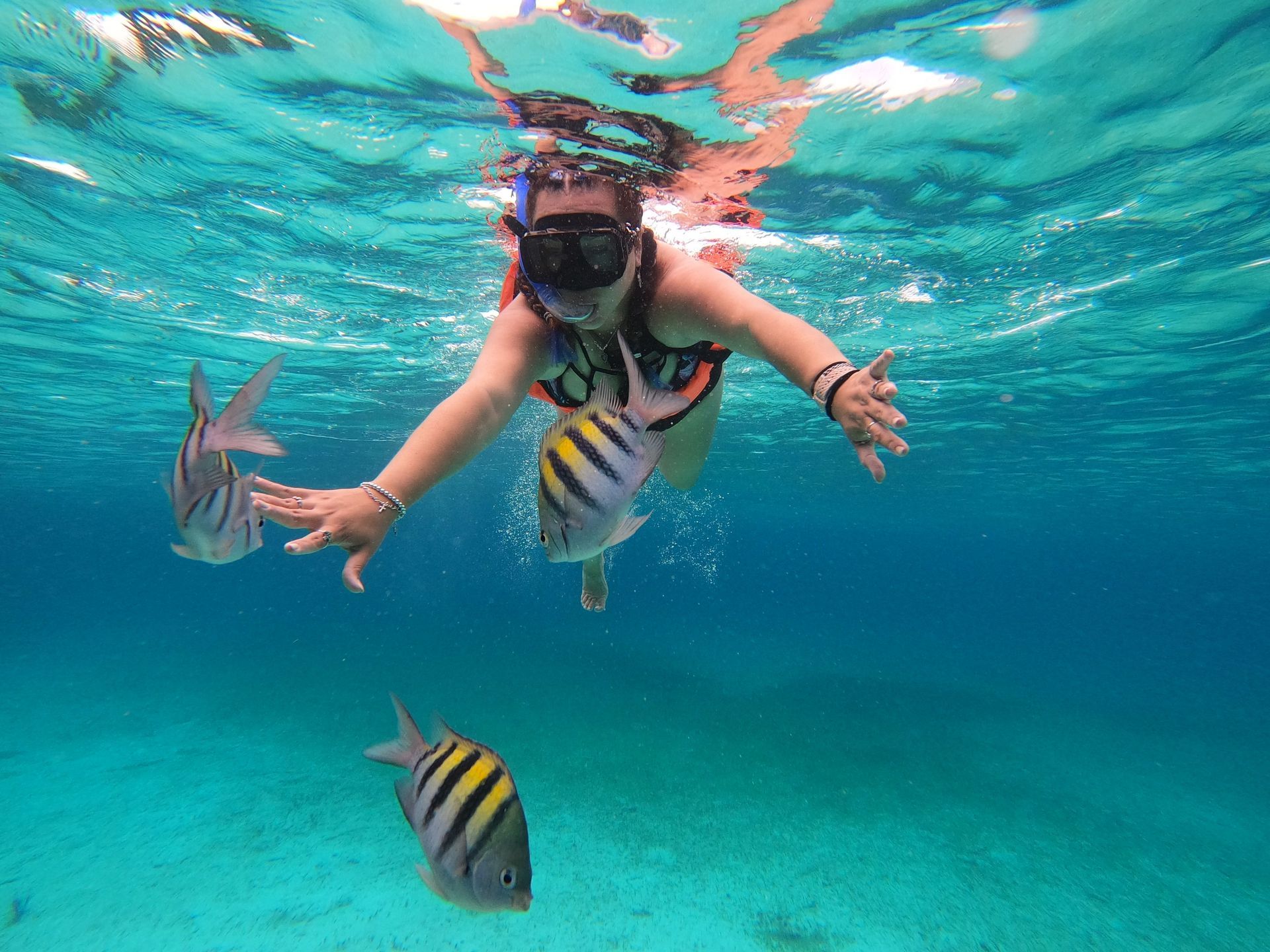
Discover the beauty of Costa Rica's Pacific coastline through private boat tours, snorkeling adventures, hidden beaches and unforgettable ocean experiences. Perfect for travelers looking to relax, explore and enjoy the sea at their own pace.
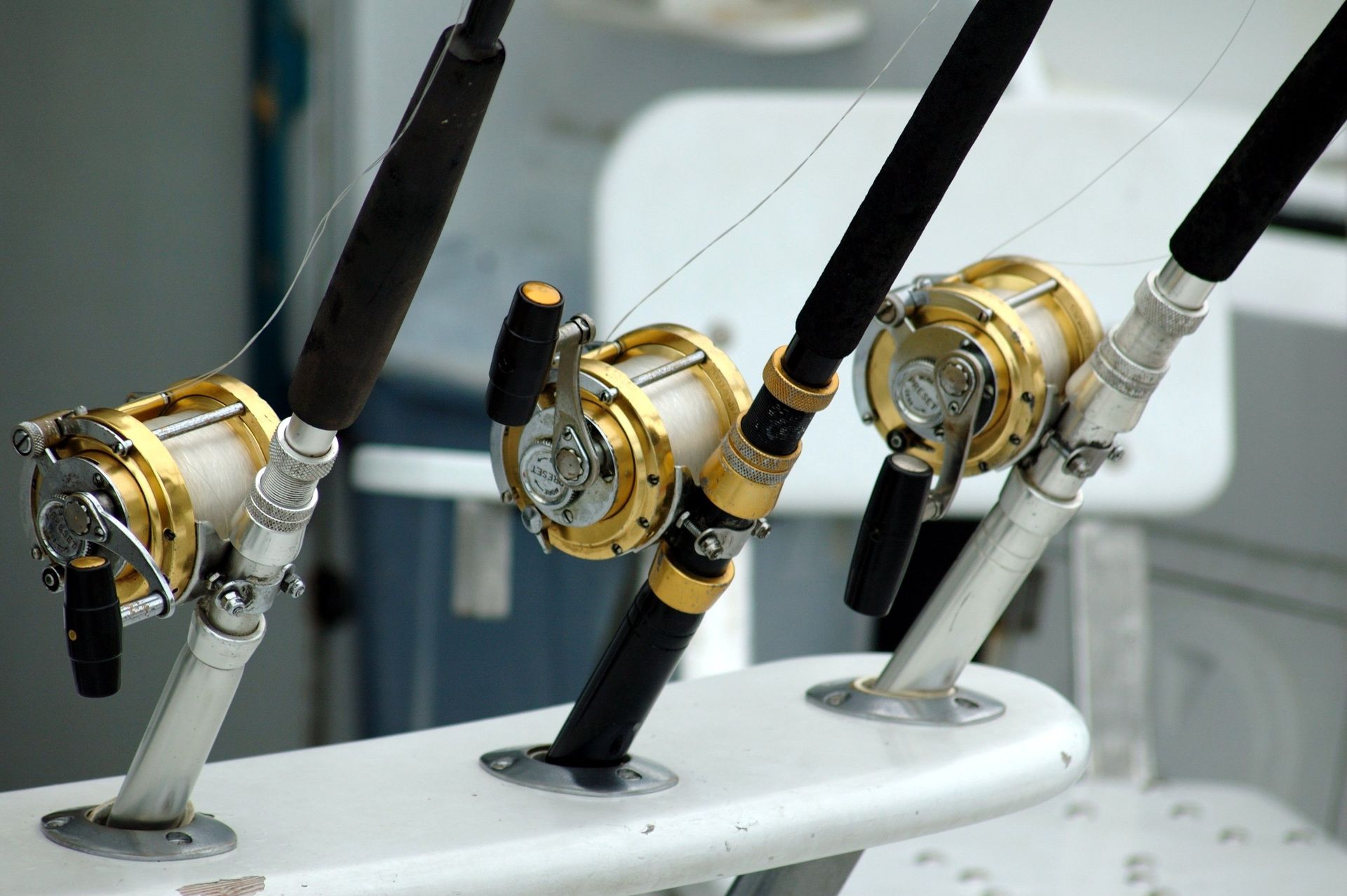
Sport Fishing Charters
Experience world-class fishing on the Pacific Ocean with private fishing charters designed for both beginners and experienced anglers. Enjoy a personalized day on the water with professional local captains and unforgettable catches.
Why Travelers Choose Tropic Transfers & Tours
Private tours, local knowledge, and personalized service that create unforgettable memories in Costa Rica.